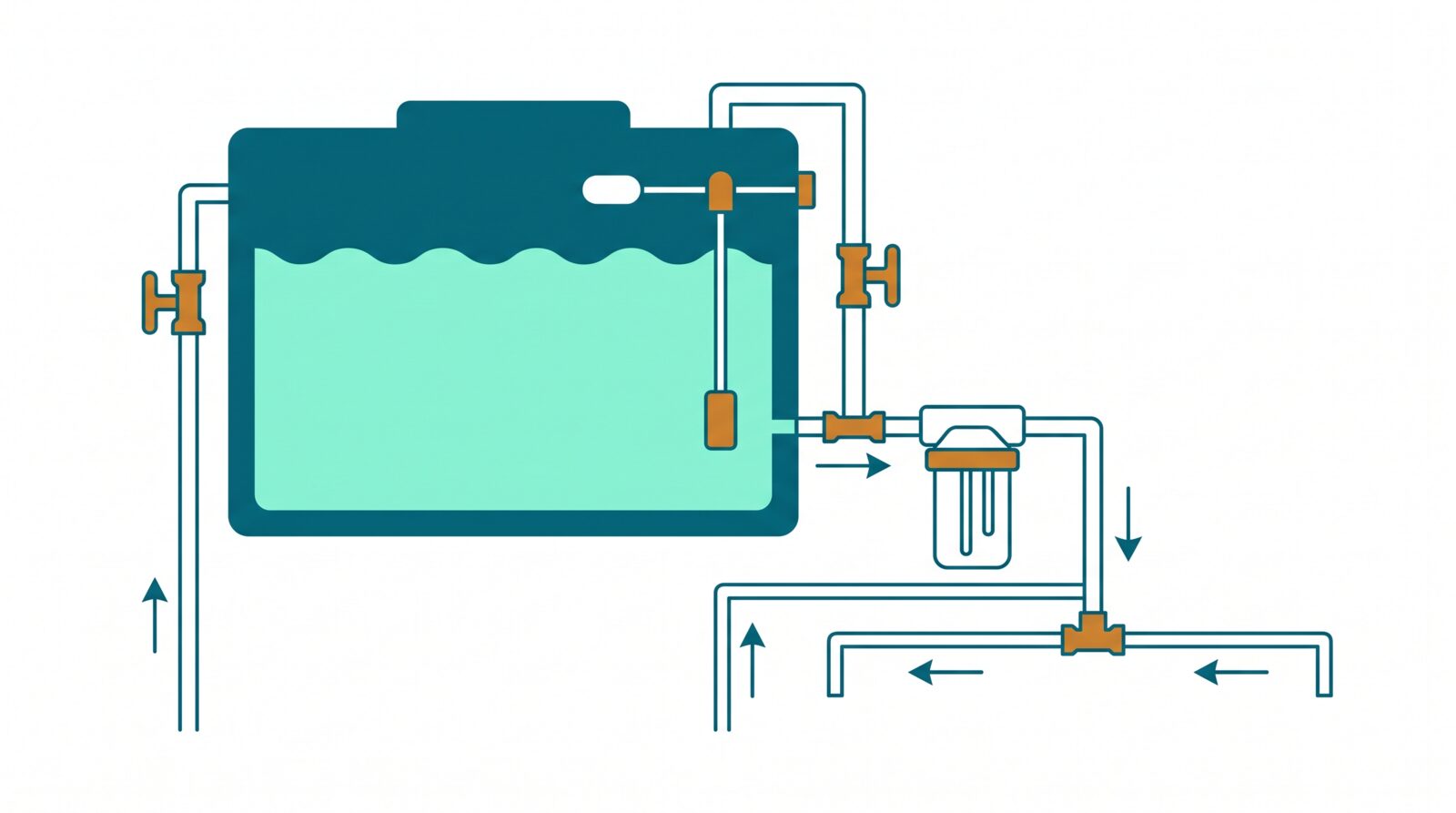
Almost every property in Dubai stores water on site before it reaches the tap. That storage is necessary, but it also means water sits in a tank — and tanks accumulate sediment, biofilm and, if neglected, contamination that affects everyone in the building.
Water tank cleaning is one of the maintenance items most often deferred, usually because the tank is out of sight. It is also one where the consequences of neglect are borne directly by occupants.
How often should tanks be cleaned?
Common practice across the UAE is cleaning and disinfection at least twice a year, with many building managers working to a six-monthly cycle as standard. Some properties require more frequent attention:
- Buildings with high occupancy turnover
- Properties where the tank is exposed to direct sunlight or heat
- Food service premises
- Healthcare facilities
- Any property where water quality complaints have been raised
Check your own obligations. Requirements vary depending on the property type, the authority with jurisdiction, and in many cases the terms of the building's own management agreement. Confirm what applies to your specific property with Dubai Municipality or your building's managing authority rather than relying on a general figure.
Why it matters more in this climate
Warm ambient temperatures accelerate everything that goes wrong in a stored water system. Elevated water temperature encourages bacterial growth, and sediment that settles at the base of a tank provides material for biofilm to establish on. Tanks located on rooftops or in unshaded plant areas are particularly exposed.
Sediment also carries through into the building's plumbing, where it contributes to fixture wear, reduced flow and discolouration at the tap.
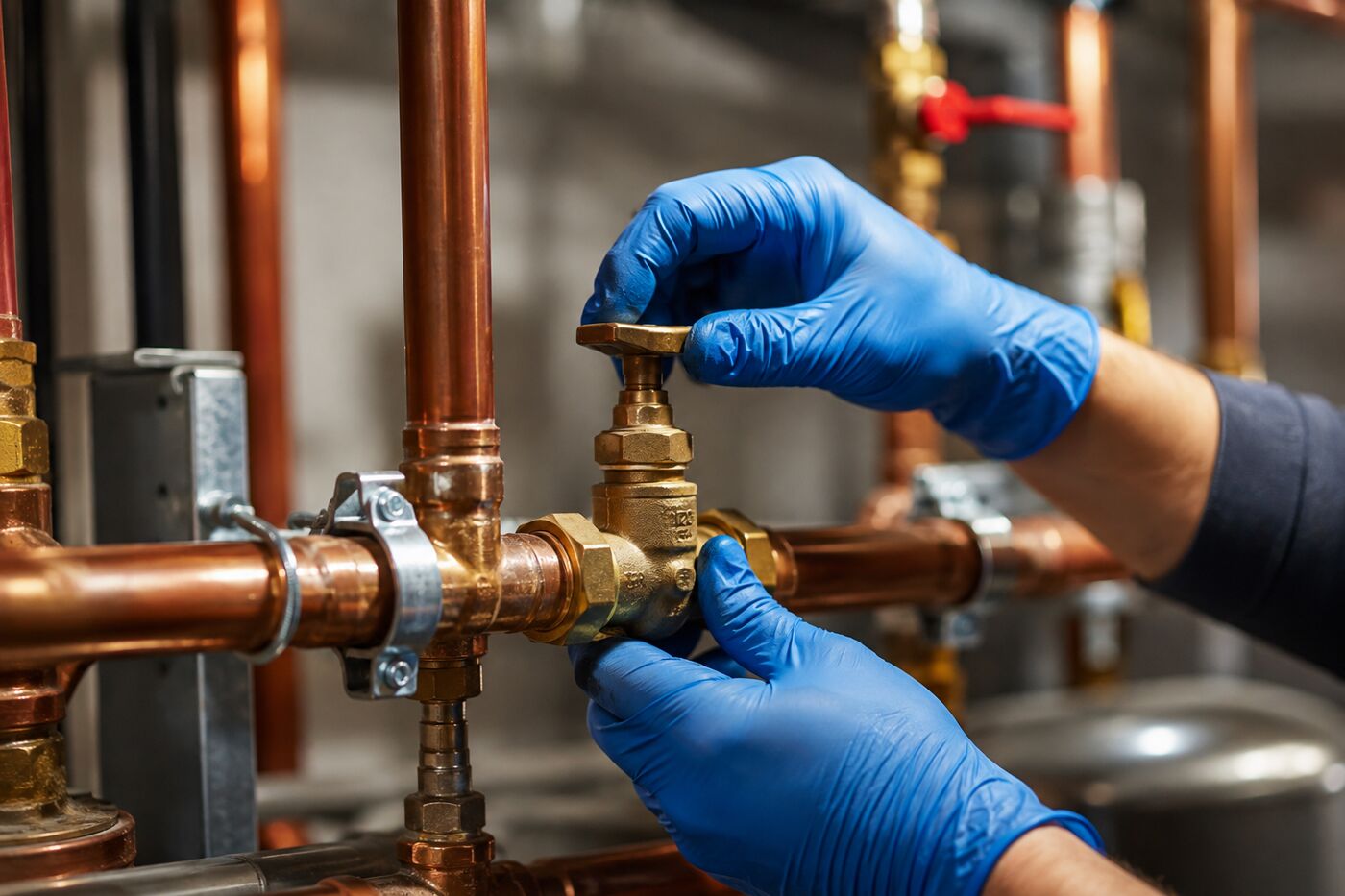
What the process should involve
A proper clean is more than a rinse. Expect the following sequence:
- Isolation and draining. The tank is isolated from supply and fully drained.
- Sediment removal. Accumulated sludge and debris removed from the base rather than flushed through the system.
- Mechanical scrubbing. Interior walls, base and ceiling scrubbed to remove biofilm, which does not lift with rinsing alone.
- Inspection. Checking for cracks, corrosion, failed seals, damaged covers and any point where contamination could enter. This step frequently identifies problems worth more than the cleaning itself.
- Disinfection. Treatment with an approved disinfectant at the correct concentration and contact time.
- Rinse and refill. Thorough rinsing to remove disinfectant residue before returning the tank to service.
- Documentation. A written report of the work performed and the tank's condition.
Documentation is not optional
For any managed or commercial building, the report matters as much as the clean. It provides evidence of compliance, a record for handover between managing agents, and a baseline for tracking tank condition over time.
A contractor who cannot provide written documentation of what was done is not providing a complete service.
Warning signs between scheduled cleans
- Discolouration or visible particles in tap water
- Unusual taste or smell
- Sediment collecting in kettles, filters or fixture aerators
- Reduced flow that is not explained by a plumbing fault
- Any visible damage to the tank cover, seals or access hatch
Any of these warrant inspection ahead of the scheduled interval.
Planning it properly
Water tank cleaning causes a temporary interruption to supply, so it needs scheduling with notice to occupants. For residential buildings, early morning or coordinated windows work best. For commercial properties, outside operating hours is usually preferable.
Building it into an annual maintenance schedule alongside other planned work avoids the situation where it is remembered only after a complaint.
Need this handled properly?
Optima Prime provides integrated facilities management across Dubai. Send us your property details for a free, itemized quotation.
Request a Quote